Activity Outcomes for the Second Semester of Academic Year 114
Mountain Safety Education Workshop: Trauma Management and Understanding Altitude Sickness
|
Activity Title |
Mountain Safety Education Workshop: Trauma Management and Understanding Altitude Sickness |
|||||||||||||||
|
Date |
March 3, 2026 (Tuesday)-March 4, 2026 (Wednesday) |
|||||||||||||||
|
Time |
9:30~15:30 |
|||||||||||||||
|
Venue |
Quji Mountain, Namaxia District, Taiwan |
|||||||||||||||
|
Participants |
Students and teachers of Namaxia Junior High School. |
|||||||||||||||
|
Number of Participants |
31人 |
|||||||||||||||
|
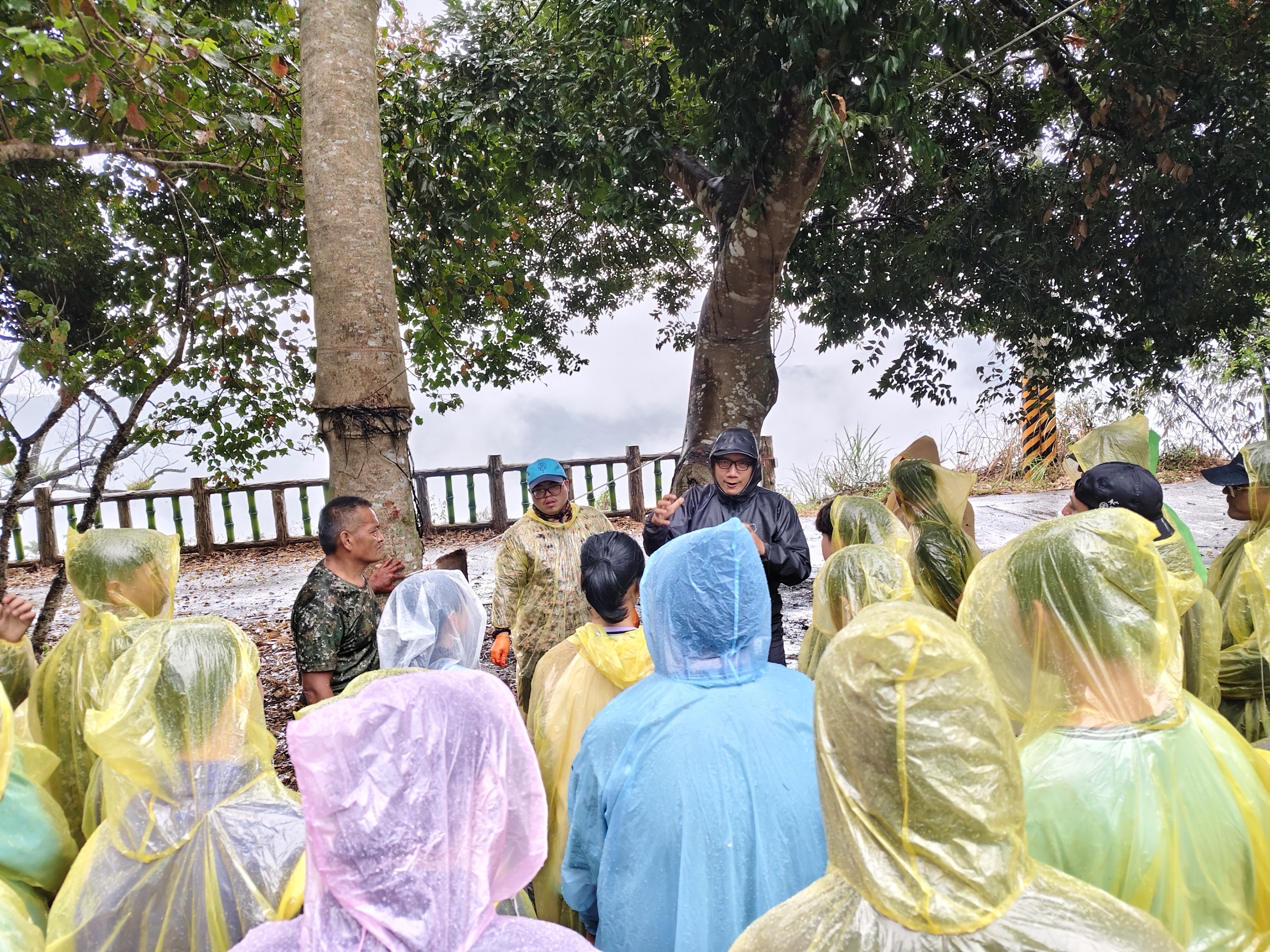
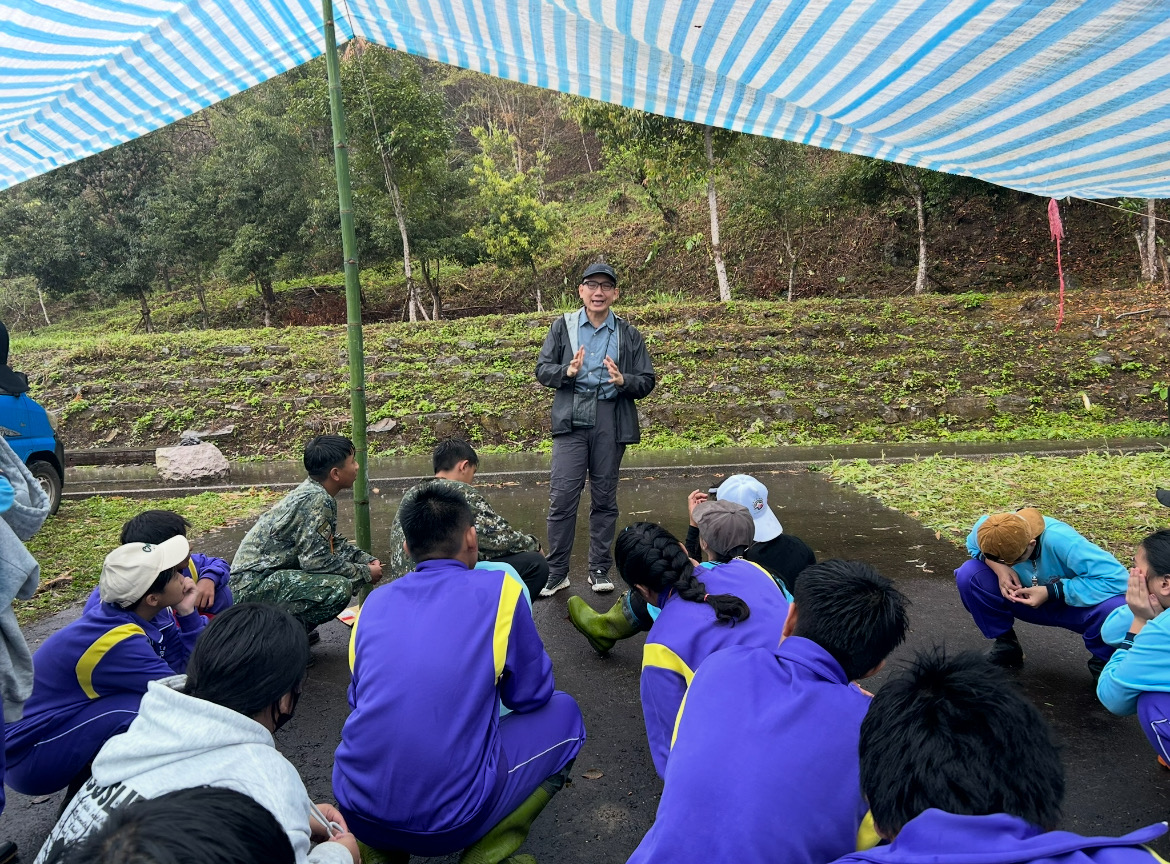
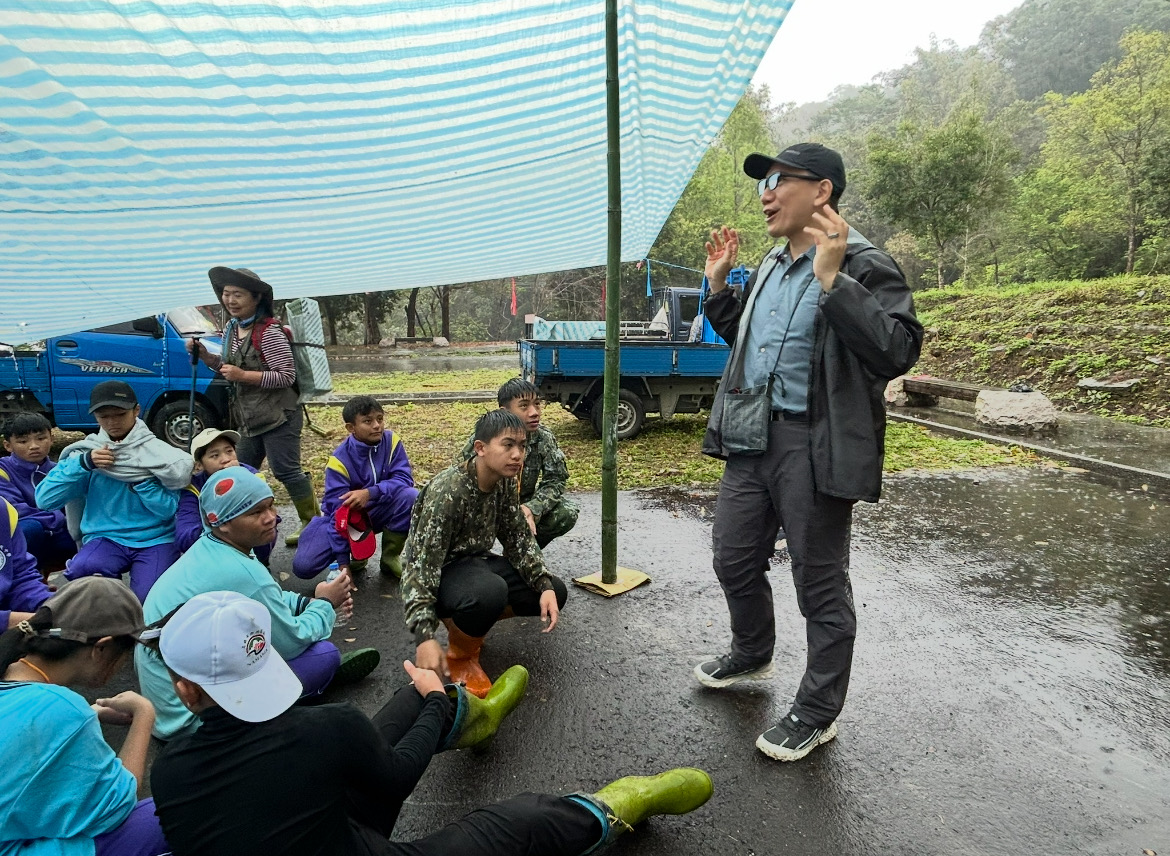
I. Key Points and Objectives To enhance Namaxia Junior High School students’ knowledge and self-protection skills during mountain activities, and to strengthen correct understanding of emergency trauma management and altitude sickness prevention, this program combined professional lectures with practical exercises. It aimed to cultivate students’ ability to recognize risks and respond appropriately in forested environments, ensuring the safe and smooth conduct of outdoor activities. II. Activity Features and Implementation This activity focused on enhancing Namaxia Junior High School students’ mountain safety knowledge, combining theoretical instruction with practical exercises to strengthen their self-protection skills. The course covered emergency trauma management, altitude sickness prevention, and risk recognition. Through scenario simulations and group drills, students practiced bandaging, assessing injuries, and handling emergency situations, improving both learning outcomes and on-the-spot response abilities. During the session, the instructor explained potential hazards in forested environments in a clear and accessible manner and shared real-life cases to help students build correct safety awareness. Overall, the program was executed smoothly, with active participation and lively interaction. It not only increased students’ outdoor safety knowledge but also cultivated calm judgment and teamwork skills in the face of unexpected situations, laying a solid foundation for safe future mountain activities. III. Quantitative Evaluation Indicators
|
||||||||||||||||
|
IV. Activity Highlights |
||||||||||||||||
|
|
|
|||||||||||||||
|
Opening |
activity explanation |
|||||||||||||||
|
|
|
|||||||||||||||
|
hands-on practice, |
teacher-studentquestion and answer |
|||||||||||||||