Activity Outcomes for the Second Semester of Academic Year 114
Localized Education and Training on the Prevention of Chewing and Swallowing Disorders and Dietary Modification
|
Activity Title |
Localized Education and Training on the Prevention of Chewing and Swallowing Disorders and Dietary Modification |
|||||||||||||||
|
Date |
March 18, 2026 (Wednesday) |
|||||||||||||||
|
Time |
12:00~13:00 |
|||||||||||||||
|
Venue |
Taoyuan Fuxing Cultural Health Station |
|||||||||||||||
|
Participants |
Elderly participants of the Taoyuan Fuxing Cultural Health Station and other cultural health stations. |
|||||||||||||||
|
Number of Participants |
50人 |
|||||||||||||||
|
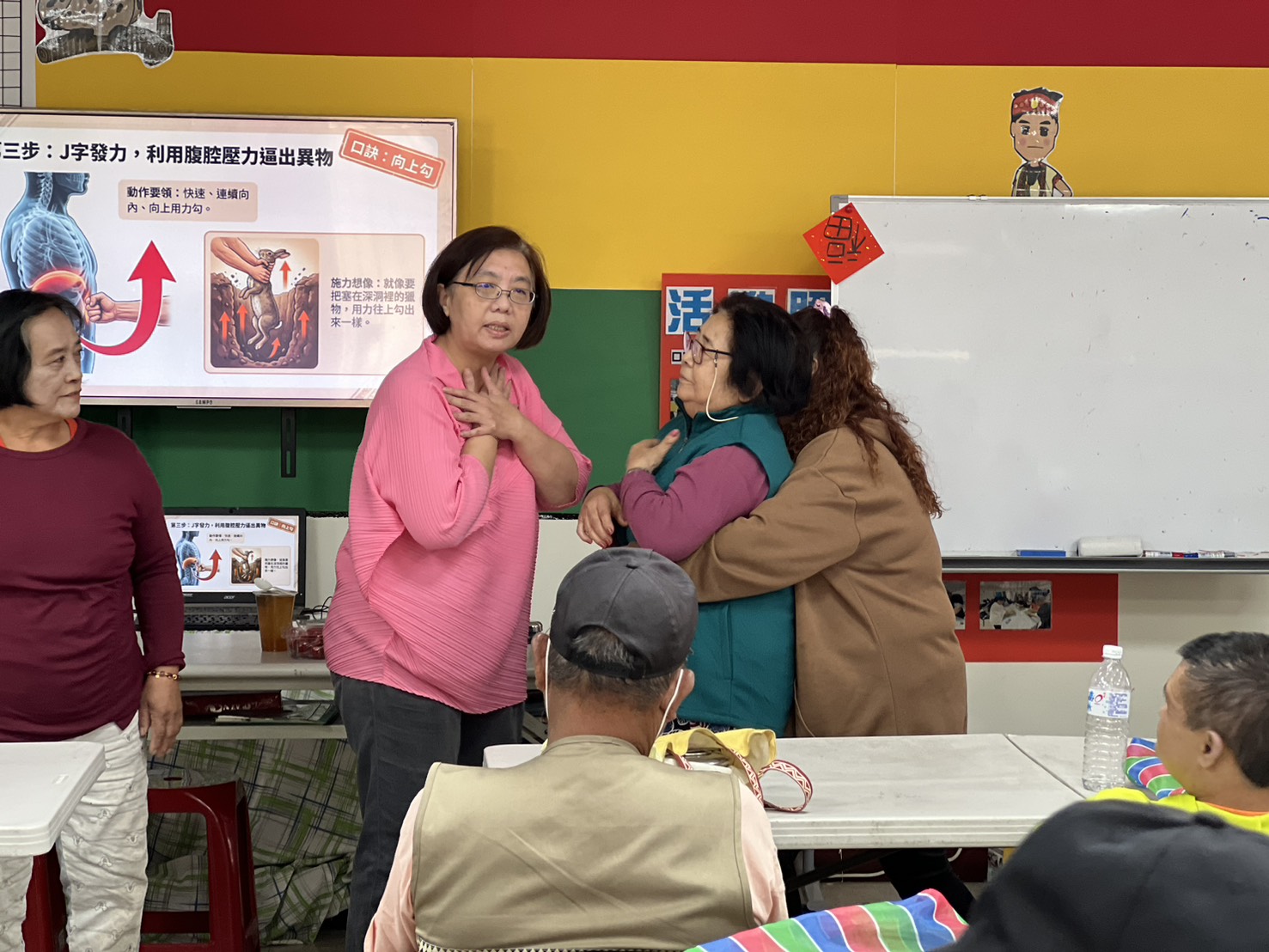
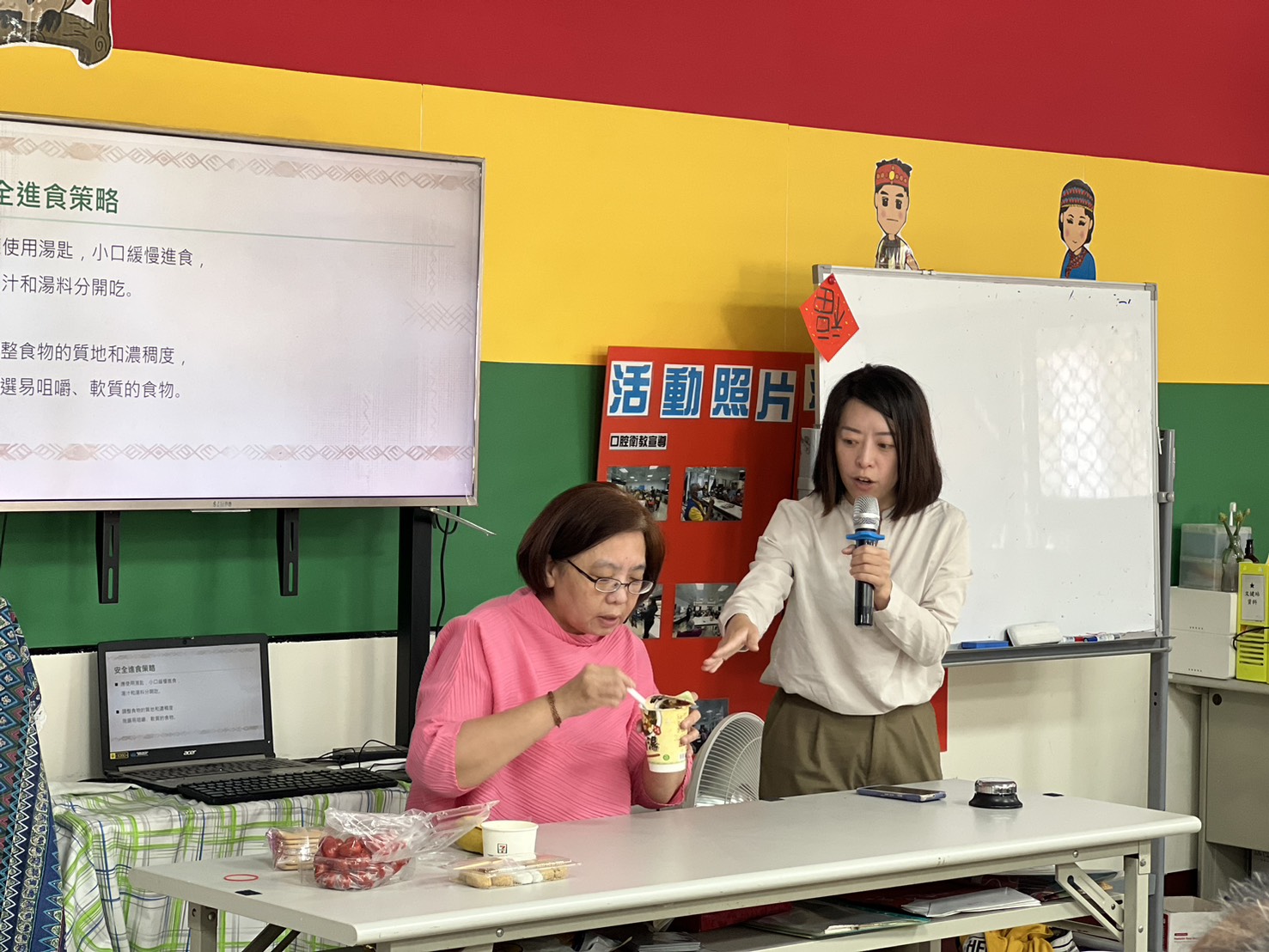
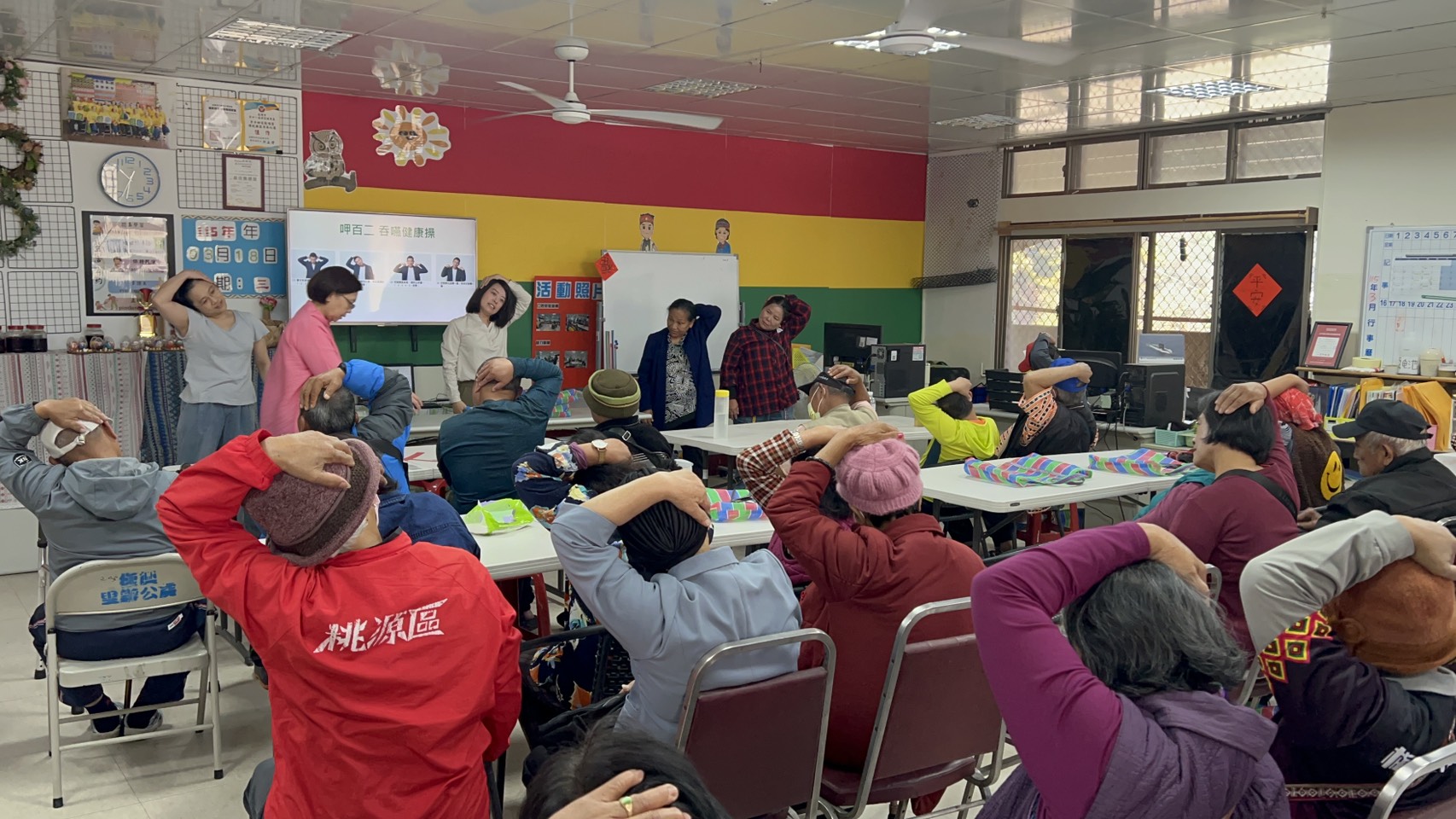
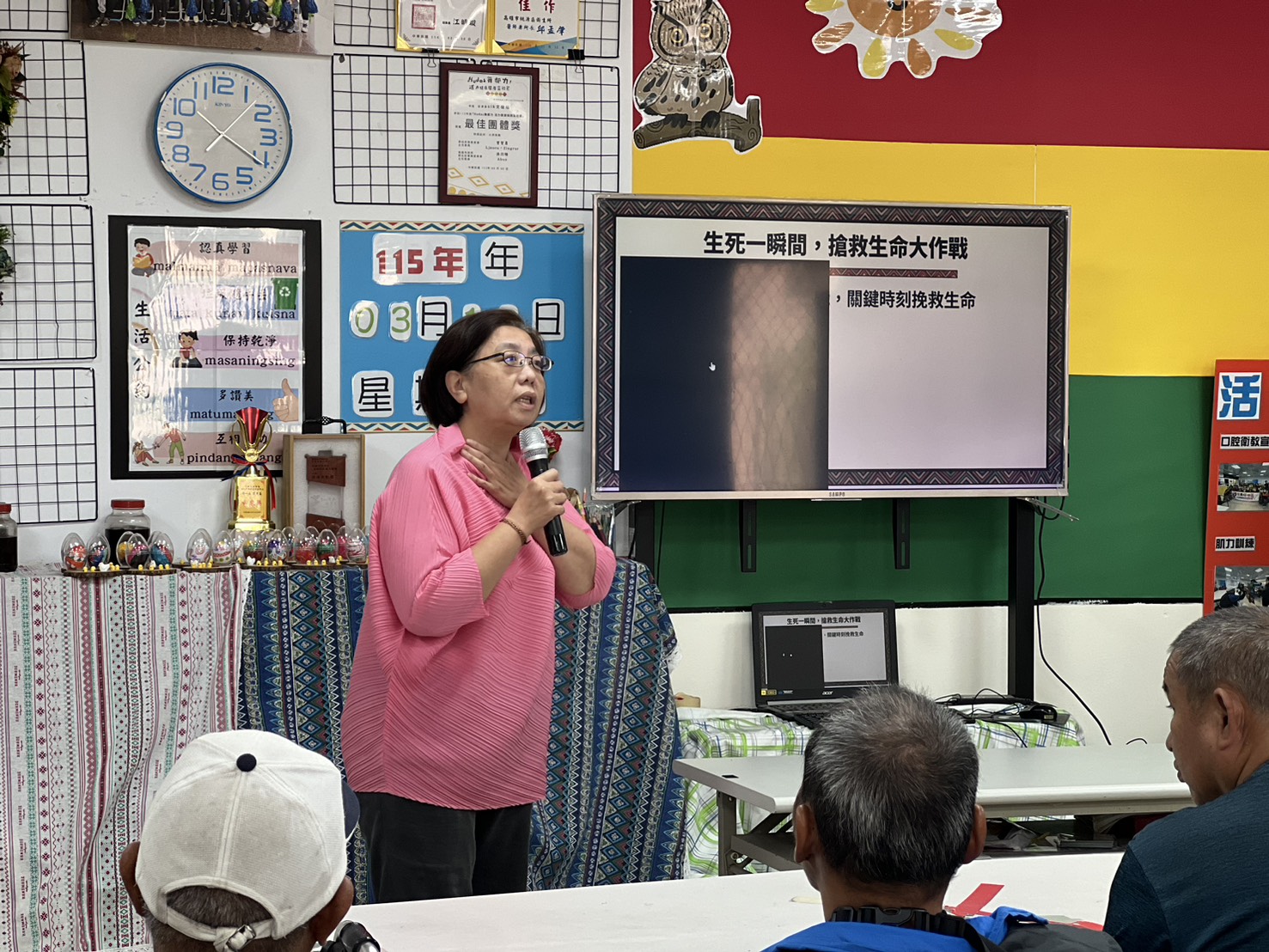
I. Key Points and Objectives To enhance older adults’ understanding of chewing and swallowing disorders at cultural health stations and to establish correct concepts of dietary safety, this program uses professional health education and demonstrations to help them learn daily dietary prevention principles and basic response strategies. The aim is to reduce the risk of choking and promote their health and eating safety. II. Activity Features and Implementation This activity focused on enhancing older adults’ understanding of chewing and swallowing disorders at cultural health stations, integrating professional health education with practical demonstrations to strengthen their awareness of dietary safety. The course content covered the causes of swallowing difficulties, identification of common high-risk foods, and proper eating posture. Through hands-on demonstrations, participants were guided on how to choose appropriate food textures and adopt safe eating practices to reduce the risk of choking. During the session, the instructor delivered explanations in a clear and easy-to-understand manner, and used interactive Q&A and scenario sharing to reinforce participants’ comprehension and retention. Overall, the program was implemented smoothly, with enthusiastic participation and positive feedback from the older adults. It not only enhanced their self-care abilities but also helped establish correct daily dietary habits, contributing to improved health and safety and fostering a more secure dining environment. III. Quantitative Evaluation Indicators
|
||||||||||||||||
|
IV. Activity Highlights |
||||||||||||||||
|
|
|
|||||||||||||||
|
Demonstration |
health education guidance |
|||||||||||||||
|
|
|
|||||||||||||||
|
group exercises |
Elder Sharing: knowledge lecture |
|||||||||||||||