Activity Outcomes for the First Semester of Academic Year 114
Youth Engagement × Cultural Continuity:
Kanakanavu Youth Homeland Community Exchange Meeting
|
Activity Title |
Youth Engagement × Cultural Continuity: Kanakanavu Youth Homeland Community Exchange Meeting |
|
|
Date |
November 17, 2025 (Monday) |
|
|
Time |
12:00~14:00 |
|
|
Venue |
Sustainability Hub, 1st Floor of the Dormitory Building |
|
|
Participants |
Enrolled university students and members of the Kanakanavu Youth Association |
|
|
Number of Participants |
35 |
|
|
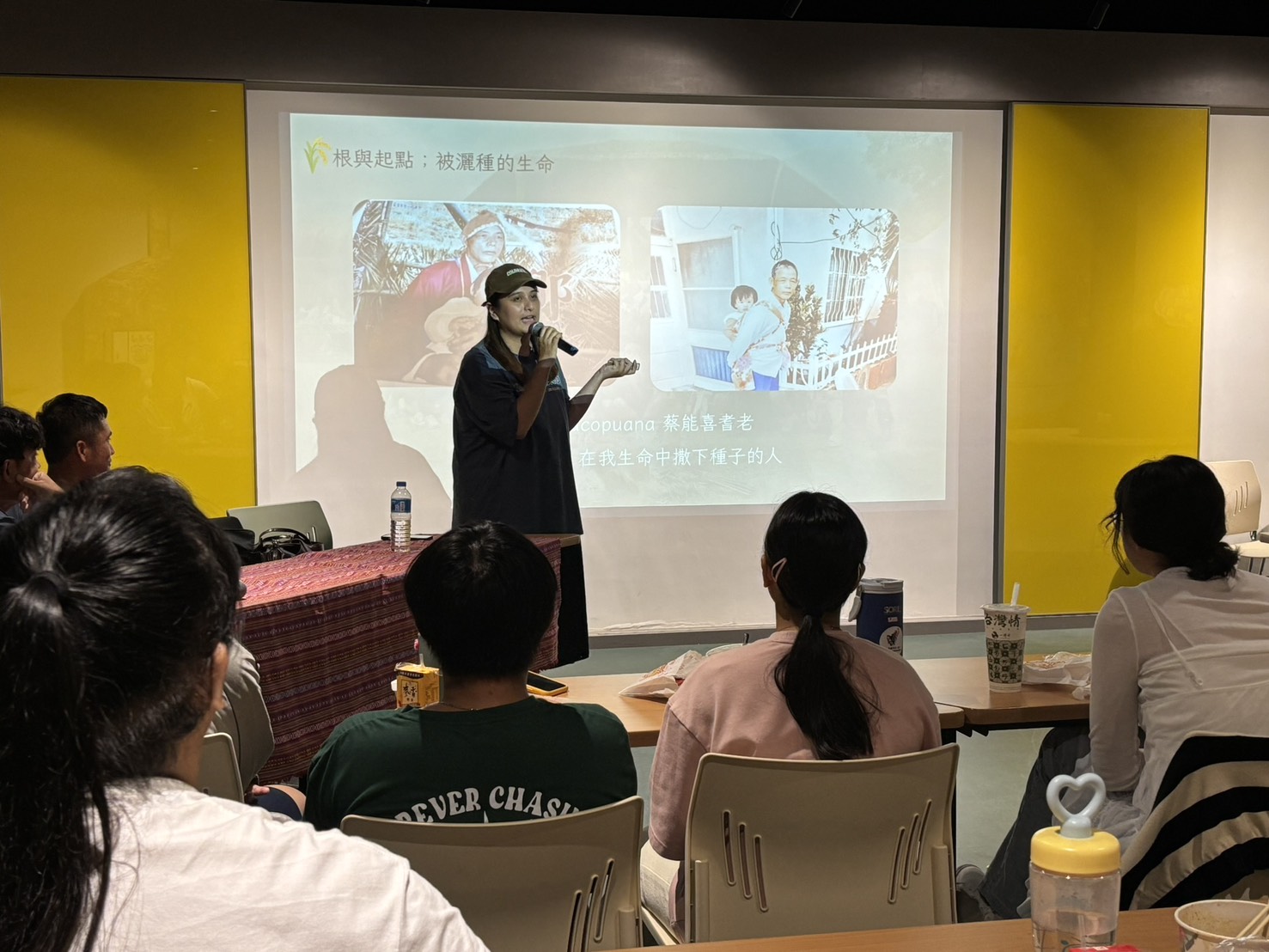
I. Key Points and Objectives This activity aimed to promote exchange and connection between youth organizations from Indigenous homelands and Indigenous students on campus. Core members of the Kanakanavu Youth Association were invited to engage in dialogue with student leaders from Indigenous student organizations at the university. Through sharing practical operational experiences, the activity sought to help students understand how tribal youth associations continue to unite young people and sustain cultural connections and a sense of belonging in an era marked by rapid outmigration of Indigenous youth. At the same time, students were encouraged to reflect on campus contexts—where Indigenous students may demonstrate diverse levels of cultural identity and participation—and to explore ways to stimulate cultural curiosity, increase engagement motivation, and identify possible approaches for group cohesion and cultural continuity.
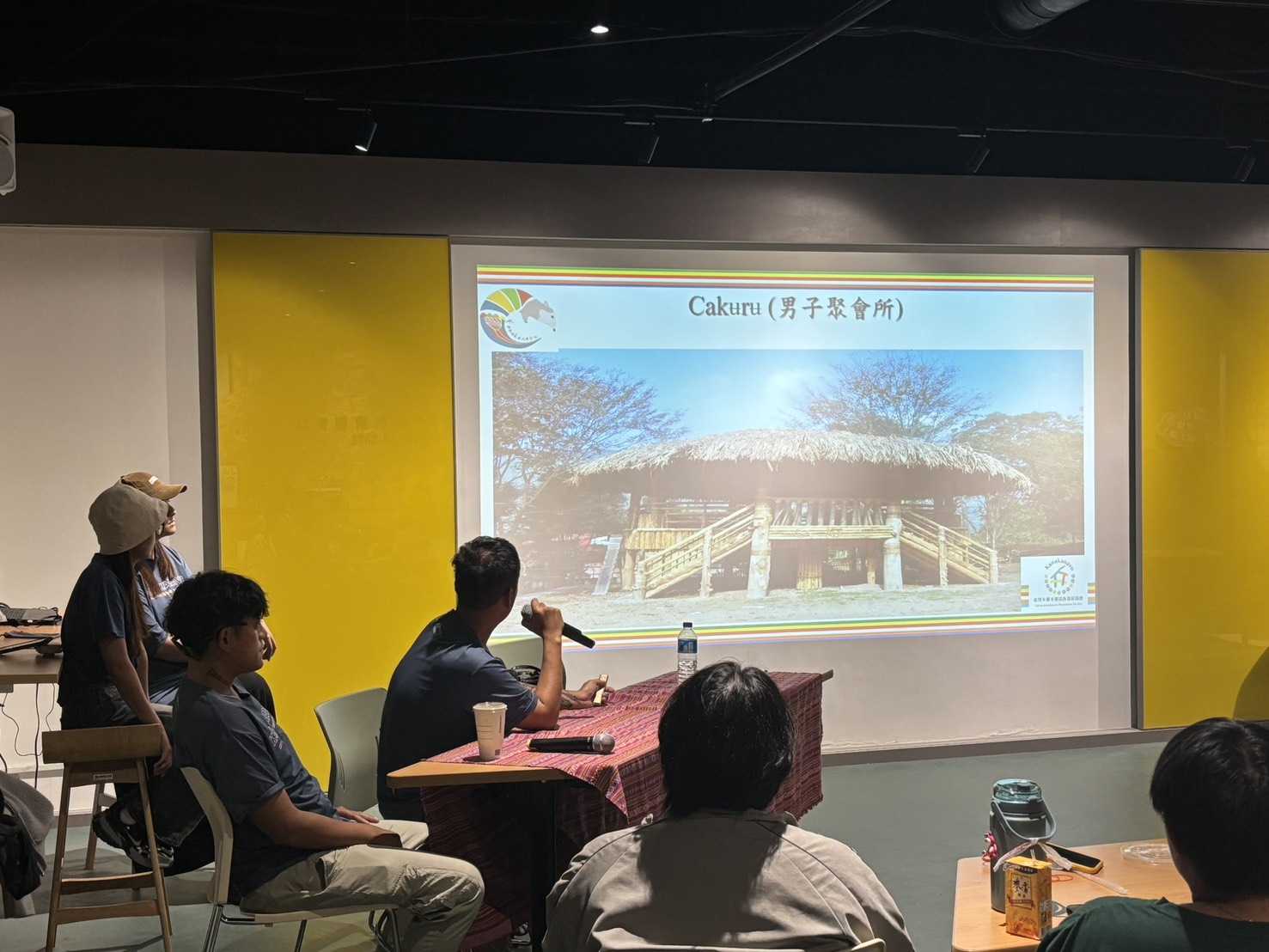
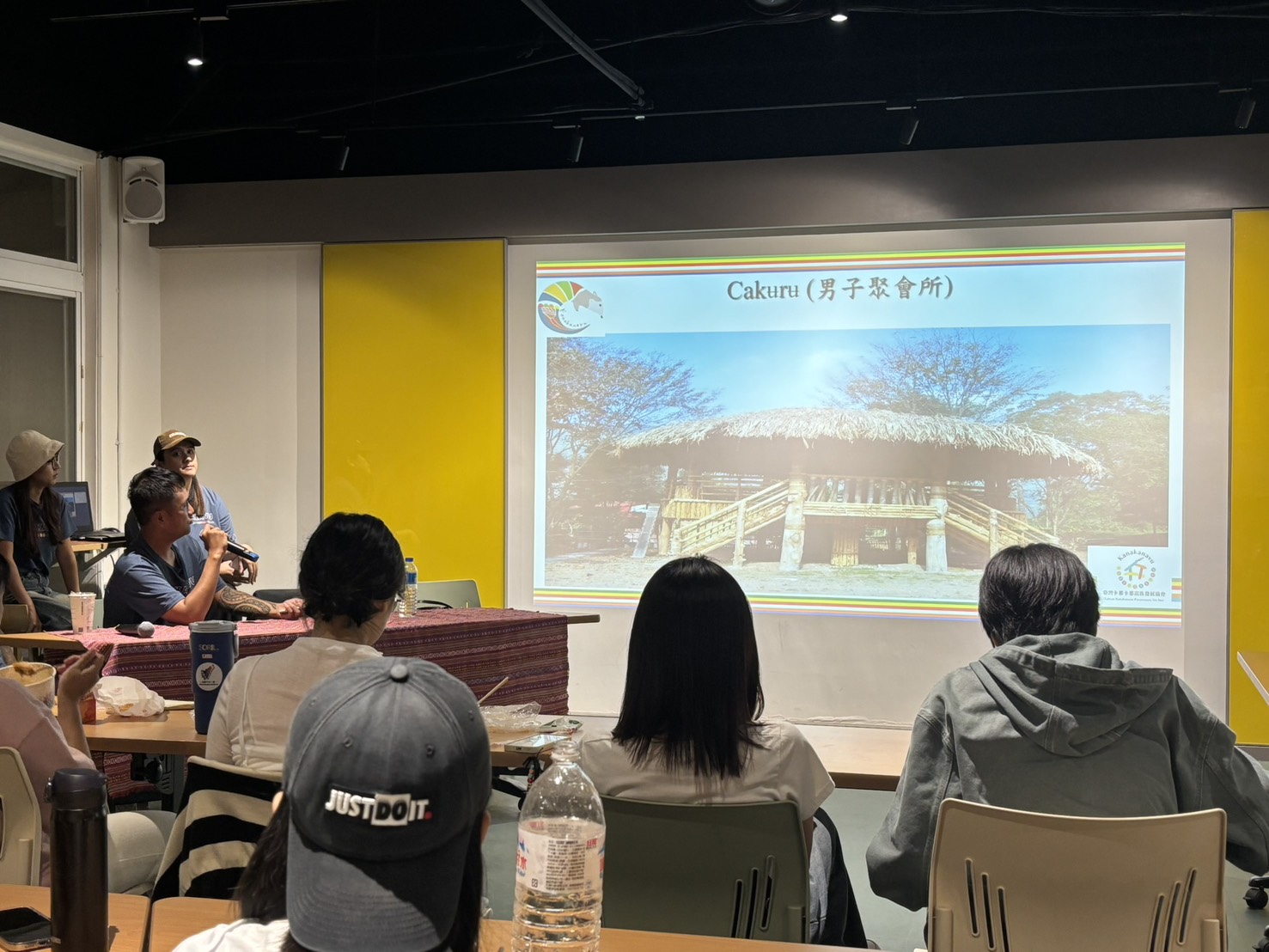
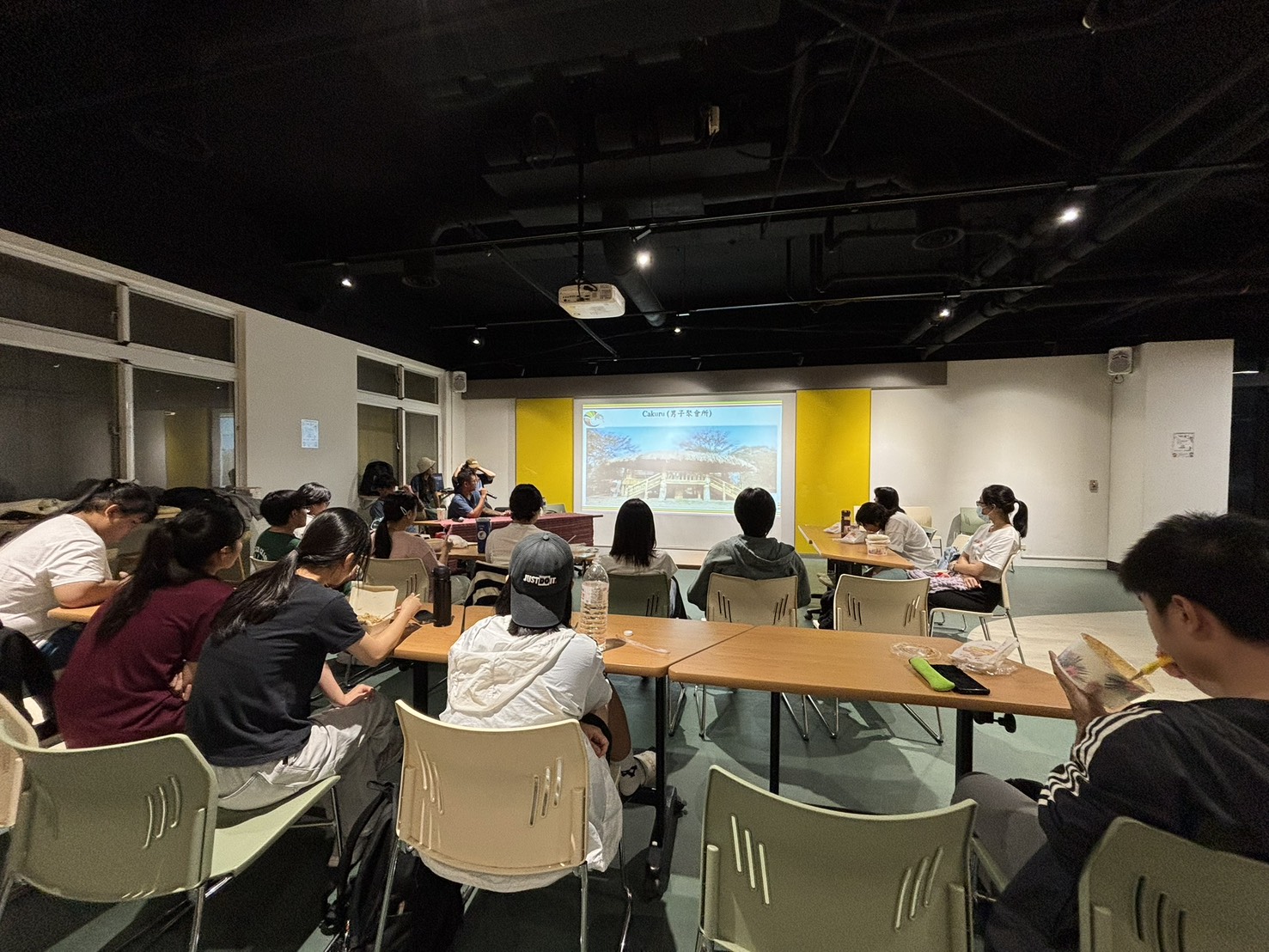
Through this two-way exchange, both Indigenous and non-Indigenous students were able to gain insights, deepen their understanding of cultural diversity, and recognize the shared value of collaboratively promoting Indigenous culture. II. Activity Features and Implementation The event began with opening remarks by student organization leaders, outlining the objectives of the activity, followed by thematic presentations from members of the Kanakanavu Youth Association. Drawing on hands-on experience, the youth leaders introduced how tribal youth organizations respond to population outmigration, enhance youth participation, and implement strategies for cultural transmission through concrete examples. Following the presentations, students and youth association members engaged in small-group discussions, focusing on differences in youth participation dynamics between campus and tribal communities. Many students noted that the experiences shared by the youth association highlighted the importance of cultural connection and prompted reflection on how campus organizations might foster stronger senses of belonging. Several students proposed strategies such as ritualizing activities, incorporating cultural elements, and promoting inter-organizational collaboration to enhance participation. These ideas were discussed with youth association members, who provided feedback on feasibility and practical application.
Overall, the activity featured lively participation and in-depth exchanges. Students gained concrete inspiration from tribal experiences, while youth association members also benefited from students’ perspectives. The activity successfully achieved its goals of promoting interaction, strengthening emotional connections, and reinforcing cultural identity. |
||
|
III. Activity Highlights |
||
|
|
|
|
|
Experience Sharing by the Youth Association |
Experience Sharing by the Youth Association |
|
|
|
|
|
|
Experience Sharing by the Youth Association |
Group Discussions: From Cohesion to Action |
|